AI Music: Sotomayor's Sonic Chaos Predicts Music's MULTI-MILLION Dollar Future
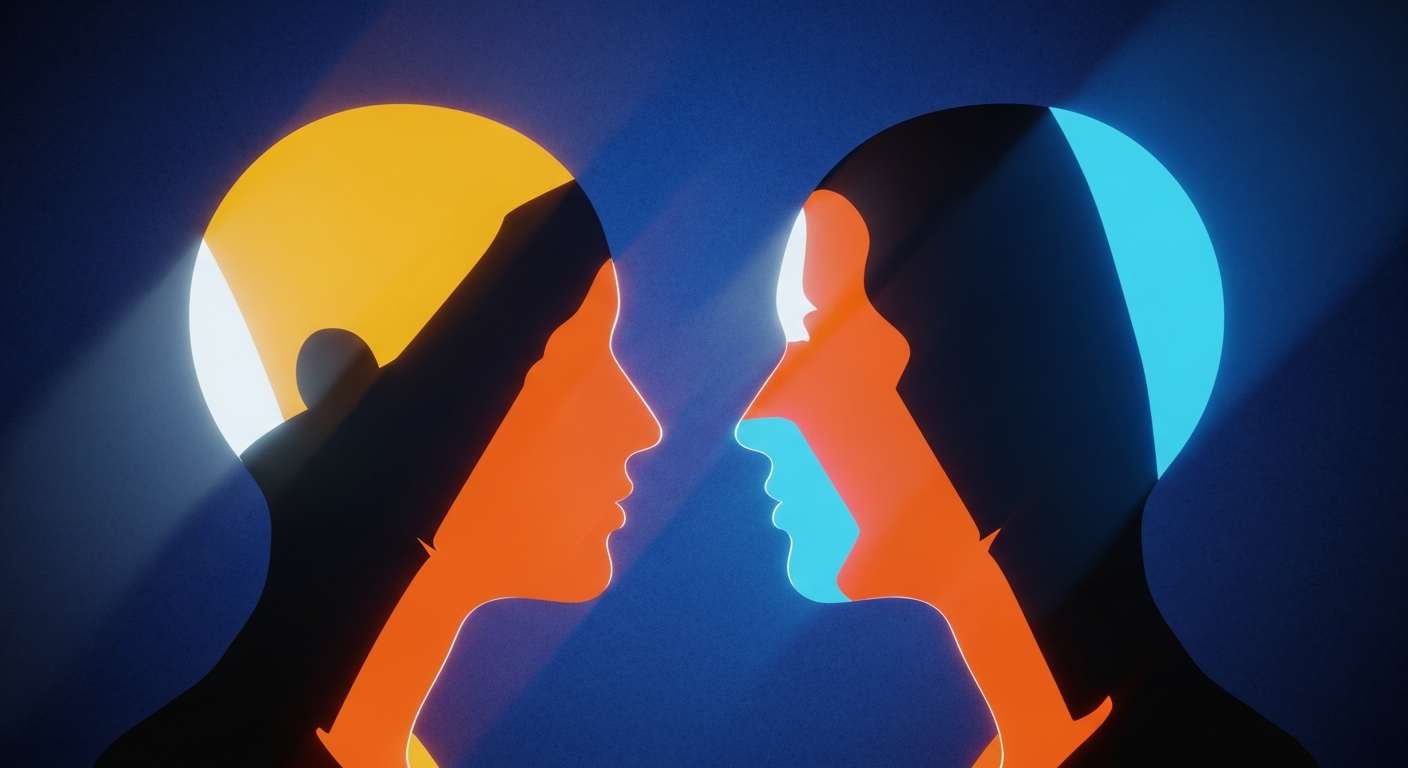
AI Music: The Fusion of Sotomayor's Sonic Chaos and the MULTI-MILLION Dollar Future of the Industry
In the vibrant ecosystem of digital music, where innovation is the currency, the sound proposition of the duo Sotomayor with their album "Wabi Sabi" is not just a work of art; it's a premonition. Their ability to fuse genres like Afrobeat, cumbia, electro pop, and R&B into a "controlled yet danceable chaos" reflects an even deeper trend: the unstoppable emergence of Artificial Intelligence in music creation, opening new frontiers for wealth generation and labor efficiency.
Intelligent "Distortion": When Algorithms Embrace Creative Imperfection
Raul Sotomayor has shared his evolution from seeking a "clean" sound to embracing distortion and sonic stretching. This philosophy, which finds beauty in imperfection (the very concept of Wabi Sabi), is a striking echo of how Artificial Intelligence is redefining the creative process. Advanced composition algorithms no longer just replicate existing styles; they are now capable of "distorting" and "stretching" musical parameters in unpredictable ways, generating textures and harmonies that challenge traditional human conception.
For visionaries, this represents a golden opportunity. Investing in AI platforms that facilitate such sonic experimentation, or in startups developing AI-powered music production tools, could be the next major move for investors. The efficiency in creating demos, automating mastering, or generating unique AI-driven sound libraries radically transforms production costs and timelines.
From the Dance Floor to the Portfolio: The Profitability of AI-Driven Musical Innovation
The "ricocheting between genres with infectious abandon" that characterizes Sotomayor's "Wabi Sabi" is precisely what AI algorithms are learning to master. An AI's ability to analyze millions of songs, identify inter-genre patterns, and generate new pieces that resonate with global audiences is not just an artistic breakthrough; it's a money-making machine.
Consider the implications:
- Massive Content Creation: Soundtracks for video games and films, background music for digital platforms, advertising jingles... all can be AI-generated with unparalleled speed and cost-effectiveness, freeing human composers for high-value creative projects.
- Extreme Personalization: AI can adapt music in real-time to each listener's tastes, a goldmine for streaming services and wellness applications.
- New Intellectual Properties: Investors have the chance to fund the creation of "super-AI-artistas" or own rights to algorithmically generated music catalogs, diversifying their digital assets.
Paulina Sotomayor's charisma and Raul's sonic curiosity find their digital counterpart in AI's power to unify and bring coherence to experimentation. The synergy between human talent and AI's computational capability is the catalyst for an economic revolution in music.
The Human Factor and AI: Maximizing Competitive Advantage
While Sotomayor explores unconventional instruments like a donkey jaw, AI expands the sonic spectrum to unimaginable limits. The key is not to replace the artist but to empower them. Producers who integrate AI tools into their workflow will not only achieve unprecedented labor efficiency but also discover new forms of artistic expression that would otherwise be unattainable. This competitive advantage directly translates into financial opportunities, whether through faster productions, reduced costs, or the creation of innovative music products that capture new markets.
Sotomayor's "Wabi Sabi" album is a testament that "chaos" can be beautiful and highly effective. In the context of Artificial Intelligence, this chaos becomes an opportunity for the bold: those willing to invest, learn, and adapt to the golden age of AI-powered music. The next wave of wealth in the music industry will not wait. Are you ready to surf it?
Original news source: TechCrunch