The Digital Hamlet: Improv Actors Train AI to Feel Human Emotions
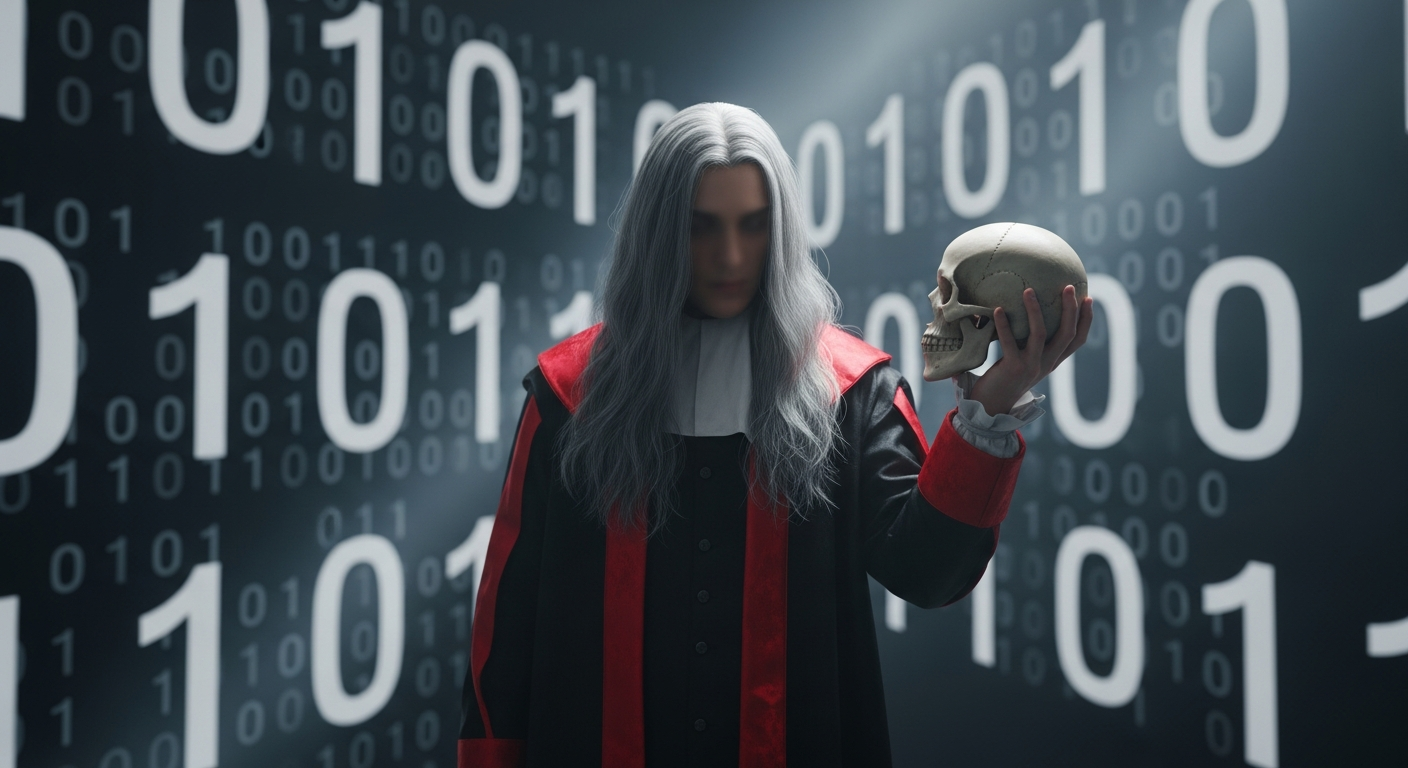
The Paradox of Artificial Emotion: Who Trains Whom?
The line between fiction and reality blurs at breakneck speed. In a twist that seems straight out of a modern Shakespearean play, leading Artificial Intelligence companies are turning to improv actors to teach their models how to replicate the complexities of human emotion. This isn't just a curious anecdote; it's a key strategy that redefines the future of digital interaction and, potentially, the value of human skills in the job market.
Consulting firm Handshake AI, a data provider for leaders like OpenAI, has issued calls for actors with the 'ability to recognize, express, and shift between emotions in a way that feels authentic and human.' These professionals don't perform on stages but in video sessions, feeding AI with emotional nuances and vocal tones. Their mission: to close the AI's 'jagged gap,' where models are brilliant at complex tasks but fail at human subtlety.
The Economic Impact: Opportunity or Job Threat?
For the acting community, this is a double-edged sword. On one hand, it presents a lucrative opportunity, with rates averaging $74 per hour, offering flexibility that suits their schedules. However, the story of these 'AI trainers' often reveals a more precarious reality: task availability can be erratic, and initial pay tends to dwindle quickly, plunging workers into constant competition for limited projects. This business model, driven by the voracious demand for training data, has already been implemented with chemists, doctors, and lawyers, generating widespread concern about job obsolescence.
Are we witnessing the birth of a new digital working class, or the beginning of the devaluation of skills once considered intrinsically human? The irony is palpable: as they train AI to emulate emotion, many wonder if they are building the tools that will put them out of a job.
The Quest for 'Authenticity' in a Multimodal World
The motivation behind this initiative is clear: AI is moving towards 'multimodal' models, capable of generating images, video, and, crucially, interacting by voice with realistic inflections. Companies like OpenAI and xAI have already implemented advanced voice modes in their assistants, and Anthropic with Claude, seeks visual and voice responses. For these interactions to be truly convincing and useful, they require a deep understanding of intonation, rhythm, and emotional state, something only humans can authentically teach. Improv sessions aim for actors to 'test the limits' of LLM comprehension, exploring characters and responding naturally.
Strategies to Navigate the New AI Job Landscape
This scenario raises fundamental questions: What value will human emotion have when it can be digitally simulated? How will professionals whose essence lies in creativity and expression protect their careers? From MindTech, we believe the key lies in adaptation and specialization. Professionals must understand that AI will not replace creativity, but rather augment it. Those who can master AI tools and merge them with their unique human skills will be the most valued.
Furthermore, the demand for 'unpolished authenticity' that AI cannot replicate could lead to a resurgence of live experiences, creating new revenue avenues. The opportunity is not in fighting the tide, but in learning to surf it, identifying niches where genuine human emotion remains irreplaceable and monetizable. The wealth of the digital future will depend on our ability to merge the best of the human mind with the power of the machine.
Original news source: TechCrunch